The Camerino d’Europa at the Majestic in Bologna
19-03-2021 | Style & Culture
Written by: Digital Gran Tour
The Grand Hotel Majestic "già Baglioni" is located only a few steps away from Piazza Maggiore, in the very heart of Bologna, the city known as “the fat one, the learned one and red one": a magical place, where two millennia of history, art and culture are melted together, to spring out through streets and monuments. The past of the city is then revealed to those who search among the clues and traces, inside and outside the hotel. Today, with this article, we’re kicking off a brief virtual tour of our Hotel-Museum: let’s head up to the main floor to discover the Camerino d’Europa, a masterpiece by the Carracci brothers. Let’s get ready to travel back in time.
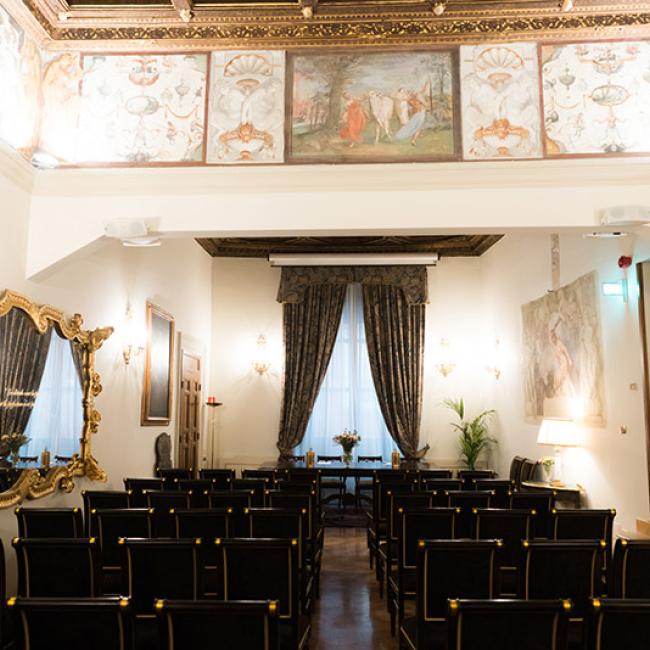
The Camerino d’Europa with the Carracci brothers’ frescoes
The 16th Century in Bologna: A Period of Cultural and Architectural Vitality
We are in the midst of the long period of papal rule over Bologna, which lasted from 1506 to 1796. It was an era marked by major historical events, such as the coronation of Charles V in the Basilica of San Petronio in Bologna by Pope Clement VII in 1530. Between 1562 and 1563, the Archiginnasio Palace, home to the University, was built, while in 1566 the Fountain of Neptune was completed, facing Palazzo Re Enzo, the heart of the city’s economic and social life. It was against this backdrop that the extraordinary career of the Carracci family unfolded, as they paved the way from Mannerism to the Baroque. And in particular to the Bolognese Baroque, which held a special place on the Italian scene with figures such as Domenichino and Guercino. It was the Carracci who founded one of the first art academies, the Accademia del Naturale, later known as the Accademia degli Incamminati, which promoted life drawing, passing on knowledge beyond the workshops, and included subjects such as literature, mathematics, geometry, and anatomy. But first, they would have the opportunity to distinguish themselves through various works.
The Camerino d’Europa: The Carracci’s Grand Debut
On the hotel’s main floor, thanks to a recent restoration carried out by the current owners, visitors can admire the Camerino d’Europa, featuring a cycle of frescoes that visually recount the stories of Jupiter and Europa, drawn from the second book of Ovid’s *Metamorphoses*. This work predates by a short time the cycle of Jason and Medea, by the same artists, housed in Palazzo Fava: it should be noted that the current structure of the Majestic is connected to and merged with that of the Palazzo, whose main entrance is now located on the adjacent Via Manzoni.
The Camerino d’Europa holds a special place in art history, as it was the first known commission for the Carracci brothers. On the occasion of his marriage to Ginevra Orsi, Count Filippo Fava entrusted the Carracci brothers—on the advice of their father, Antonio Carracci—with the task of embellishing his stately home. It was an important debut for these artists of genius.
We enter the Camerino, ready to be enveloped by a sense of wonder: here, a story told through images comes to life, unfolding across the four walls beneath a coffered wooden ceiling, decorated and gilded. At the center of each wall is a panel depicting an episode from the stories of Europa: Jupiter transformed into a bull allowing Europa to approach him, Jupiter being led by Europa, Europa climbing onto the bull’s back, and finally the Rape of Europa.
Pairs of satyrs depicted as statues, grotesque motifs, and faux gilded bronze statues complete the decoration. This technique draws on a style that originated in Rome within Raphael’s circle and developed in Bologna. The precocious genius of the Carracci brothers, evident even at the start of their careers, is apparent when observing the work both up close and from a distance, paying attention to their uniquely distinctive touch. And one cannot help but agree with the French quote attributed to Leonardo da Vinci, inscribed on the antique mirror in the room: “Les détails sont la perfection et la perfection n’est pas un détail!”
Other stories
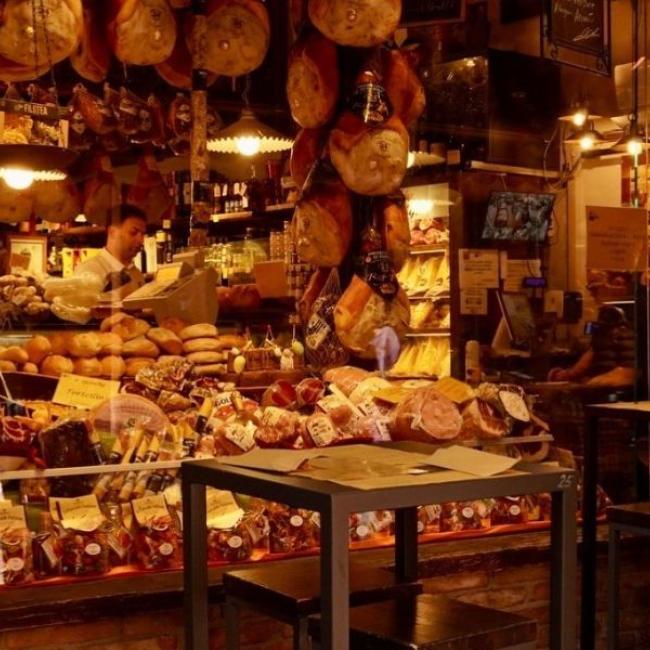
The Quadrilatero is not merely a district: it is a medieval stage where the most authentic and theatrical Italy comes to life.
DISCOVER MORE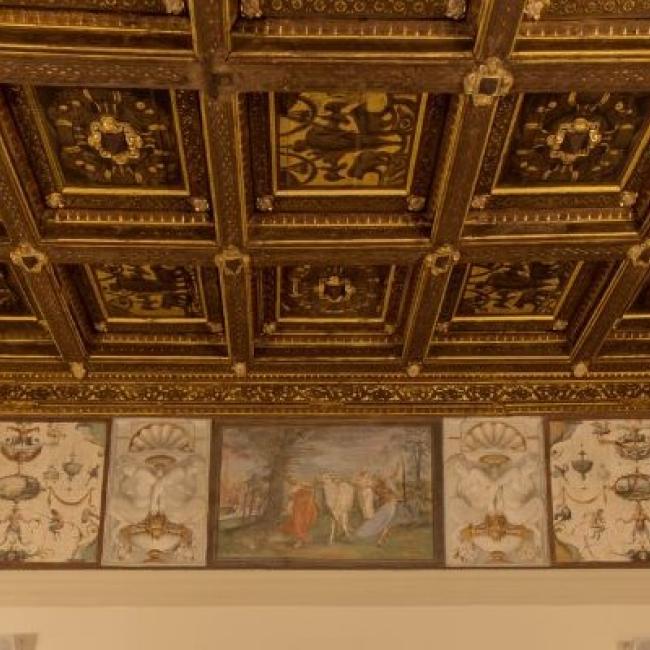
Bologna is mainly known for its medieval soul but also has an important Renaissance past, with works of great masters in churches…
DISCOVER MORE
Immerse yourself in the culinary tradition of Bologna with a unique and engaging experience: our cooking classes dedicated to hand…
DISCOVER MORE
Here’s an idea for celebrating the Grand Hotel Majestic “già Baglioni”’s first 110 years with us: not only can you enjoy a taste,…
DISCOVER MORE
If we were to imagine the Italian Futurist movement as a train – after all, as an heir to Symbolism it was madly in love with spee…
DISCOVER MORE
Bologna has a past rich in canals and waterways, many of which today remain hidden from view and emerge in unexpected views and su…
DISCOVER MORE
Picture yourself immersed in a world of rich flavors, where each bite takes you on a journey through the culinary heritage of Emil…
DISCOVER MORE
Over fifty museums house an extraordinary heritage and a wide range of offerings, characterized both by the quality of the exhibit…
DISCOVER MORE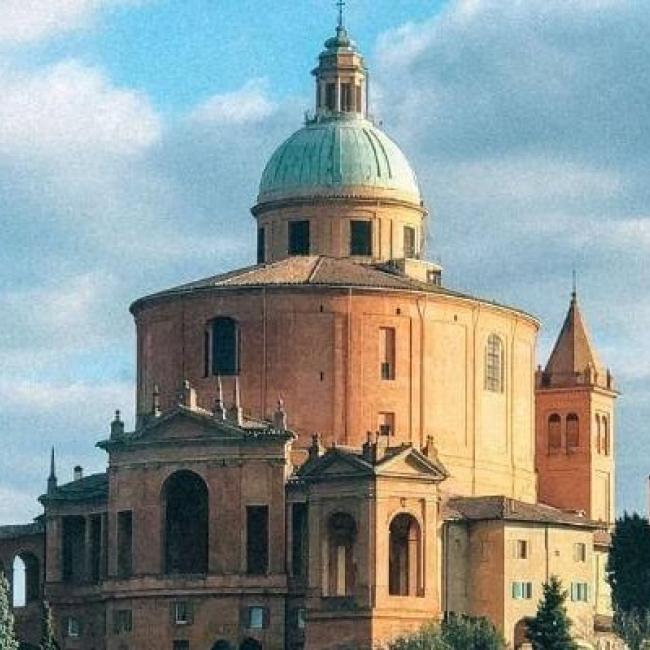
Linked to thousands of different worlds, Bologna embraces and fascinates its visitors. The city and its hills offer endless possib…
DISCOVER MORE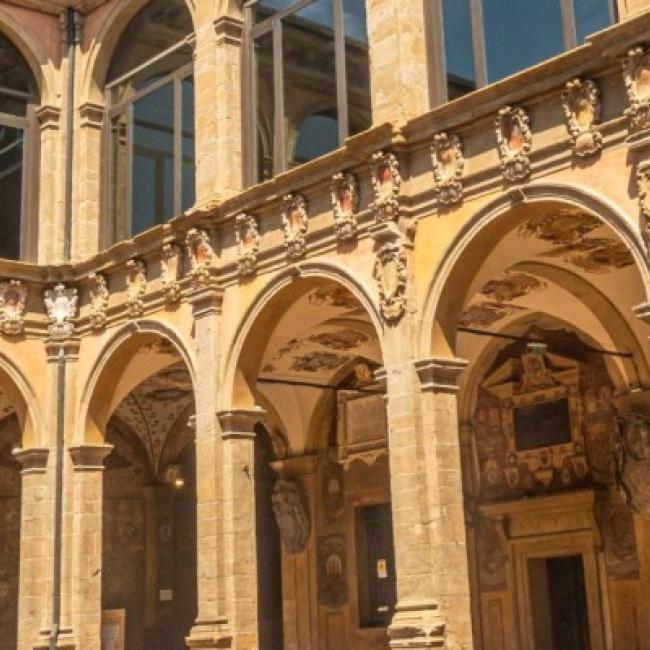
The Archiginnasio Palace is one of the most significant buildings in Bologna. Located in the heart of its historic centre, it has…
DISCOVER MORE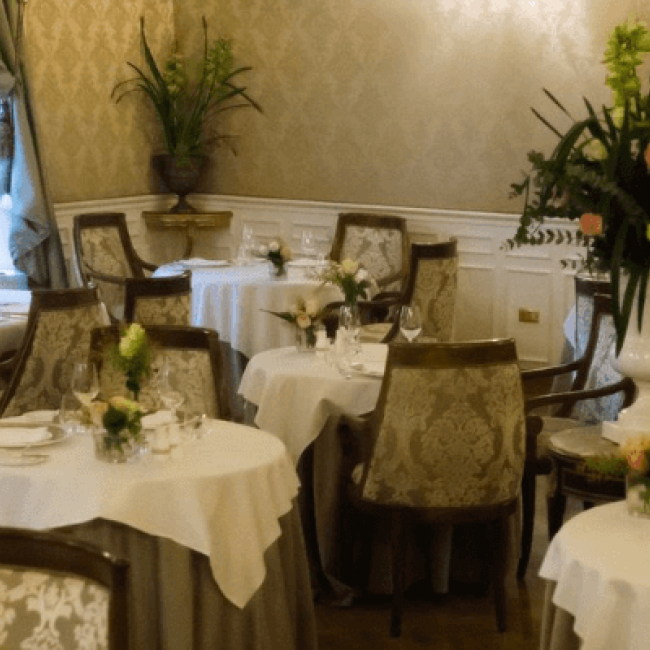
Today we cross the threshold of the Grand Hotel Majestic “già Baglioni” in the company of the manager Tiberio Biondi, who explains…
DISCOVER MORE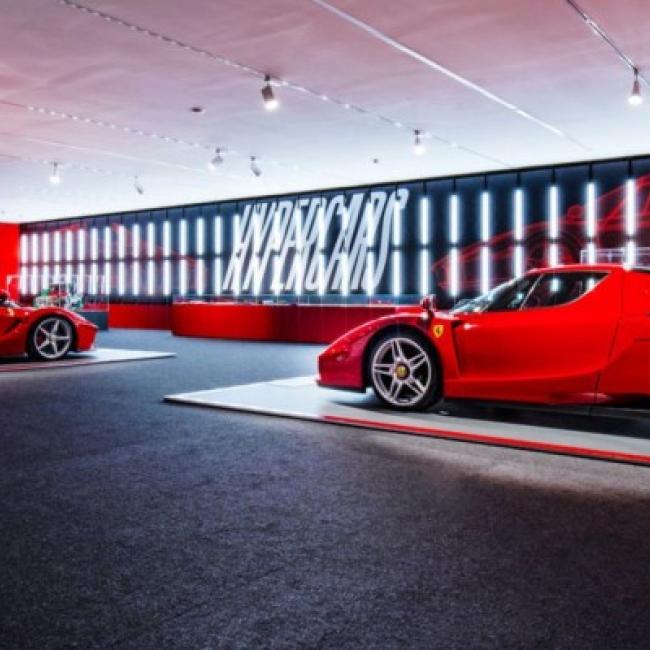
The Motor Valley is the territory, which includes the areas of Bologna, Imola and Modena, where some of the most important car and…
DISCOVER MORE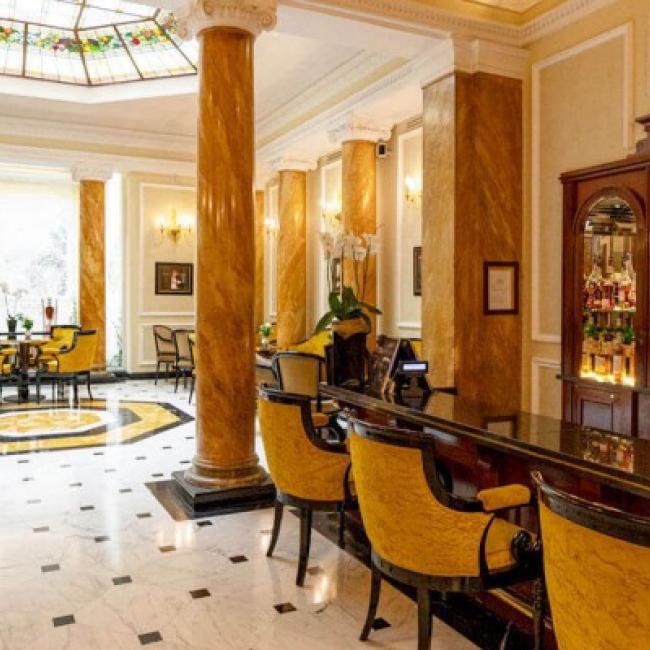
“Christmas is coming, the holiday that more than any other celebrates the pleasure of being together. This is why I wish to thank…
DISCOVER MORE
Christmas is on the way and this year it is going to be a special one, a holiday to share with loved ones and friends. Here Elena…
DISCOVER MORE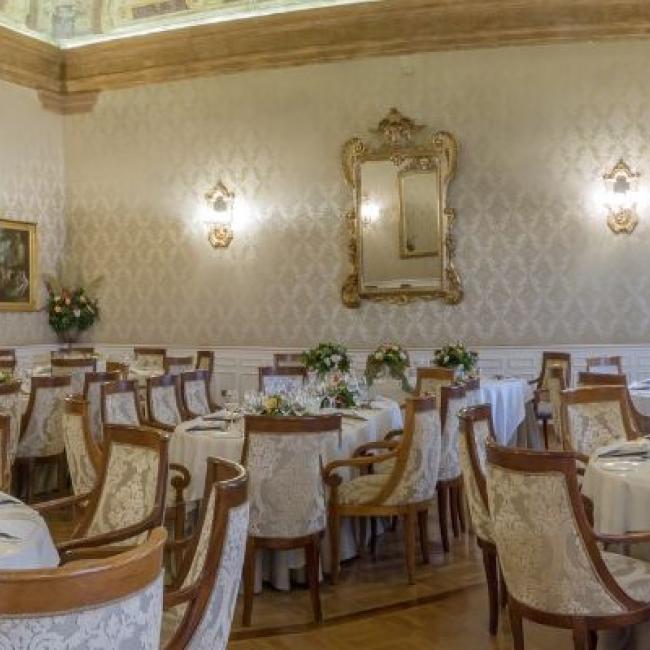
Giordano De Lellis has worked in hospitality for 12 years, while Aurora Gjinaj arrived a few months ago. Two voices that tell us w…
DISCOVER MORE
His counter is the hotel’s “second reception desk”: it is here that clients come to wind down over an aperitif, to toast a busines…
DISCOVER MORE
The Grand Hotel Majestic “già Baglioni” is a special place, made up of people who give of their all every day to pamper guests and…
DISCOVER MORE
Chef Guglielmo Araldi arrived at the Majestic at the busiest time of year, bringing his experience to a team that was already well…
DISCOVER MORE
Florina Grecu and Barbara Romanato lead a team of housekeepers who ensure not only absolute cleanliness but also attention to deta…
DISCOVER MORE
What goes on behind the concierge’s desk at the Grand Hotel Majestic “già Baglioni” in Bologna? In this article we tell you the an…
DISCOVER MORE
Elena Spadaro has been one of the pillars of the Grand Hotel Majestic “già Baglioni” in Bologna for the last three years: today sh…
DISCOVER MORE He has lived at the Grand Hotel Majestic “già Baglioni” in Bologna for decades, but he’s not a guest. Here manager Tiberio Biondi…
DISCOVER MORE
The arcades of Bologna embrace the historic center and go as far as outside the city walls. The entire complex is divided into twe…
DISCOVER MORE “The word ‘Christmas’ has always evoked a strong sense of warmth, family and love and we like to think of the Grand Hotel Majestic…
DISCOVER MORE
During the festive period in Bologna, a city of unique, distinctive charm, the atmosphere becomes all the more magical with Christ…
DISCOVER MORE
Since the early 20th century, the Grand Hotel Majestic “già Baglioni” has been a second home for great stars passing through Bolog…
DISCOVER MORE
There is a secret Bologna hiding away among its courtyards and behind the walls of its old historical buildings. Places like the G…
DISCOVER MORE
The Grand Hotel Majestic “già Baglioni” in Bologna, a treasure trove of art and history with lots of stories to tell, offers guest…
DISCOVER MORE
These digital pages allow us to open the doors of the Grand Hotel Majestic “già Baglioni” “virtually”. Housed in a historical pala…
DISCOVER MORE
Bologna is a city with a thousand vocations. Located in the city centre, the Grand Hotel Majestic già Baglioni is the ideal base f…
DISCOVER MORE
The Grand Hotel Majestic “già Baglioni” has always been a home from home for celebrities in Bologna and is especially popular with…
DISCOVER MORE
Staying in an 18th-century palace means stepping into a history book, traveling back in time with every step. This is especially t…
DISCOVER MORE
Bologna has a vivacious, extrovert, multi-faceted character, and the Grand Hotel Majestic “già Baglioni” is located right at its c…
DISCOVER MORE
The Grand Hotel Majestic “già Baglioni” has many a tale to tell. Here objects d’art, furniture and decorations all recount Bologna…
DISCOVER MORE
The golden age of cinema and showbusiness – the 1950s and 1960s – touched on Bologna, where the stars and celebrities of yesteryea…
DISCOVER MORE
Having beauty at heart means assuming the responsibility for protecting it. For example, by taking care of the local area, on a sm…
DISCOVER MORE
The Emilia-Romagna region boasts a unique food heritage and its capital Bologna, the “Fat One”, is a Mecca for the curious gourman…
DISCOVER MORE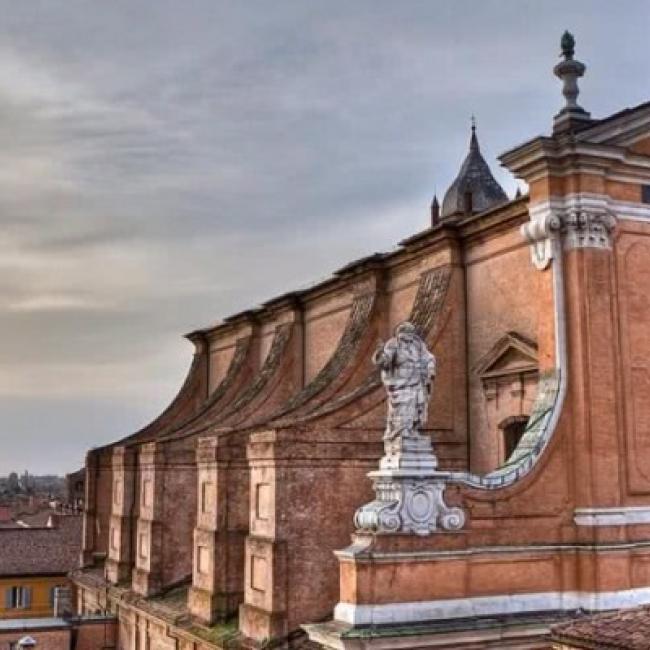
Between the Grand Hotel Majestic “già Baglioni” and Bologna there’s much more than a bond consolidated down the centuries. The hot…
DISCOVER MORE
A journey back in time to Bononia, first a Roman colony and then a city. The Grand Hotel Majestic “già Baglioni” is one of the few…
DISCOVER MORE
Almost all the celebrities who spent at least one night in Bologna have been guests at the Grand Hotel Majestic "già Baglioni". If…
DISCOVER MORE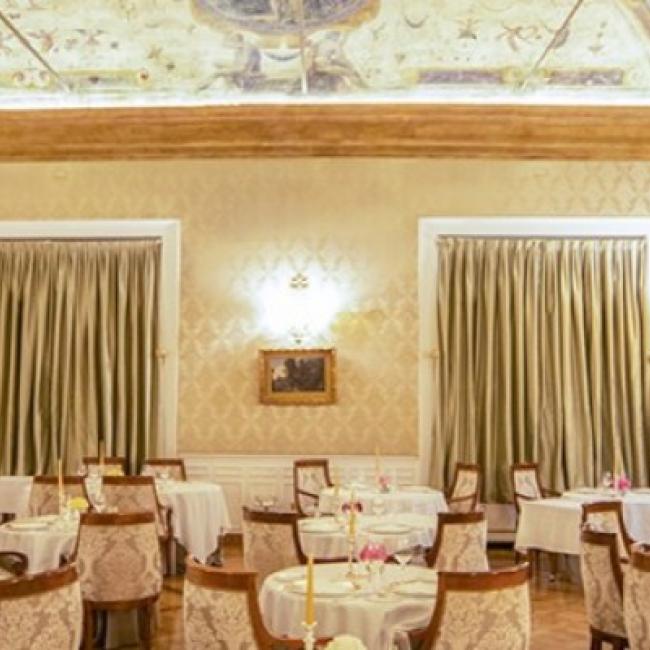
The Grand Hotel Majestic "già Baglioni" is located only a few steps away from Piazza Maggiore, in the very heart of Bologna, the c…
DISCOVER MORE
Today this blog comes to life and we virtually open the doors of the Grand Hotel Majestic "già Baglioni" in Bologna, a special pla…
DISCOVER MORE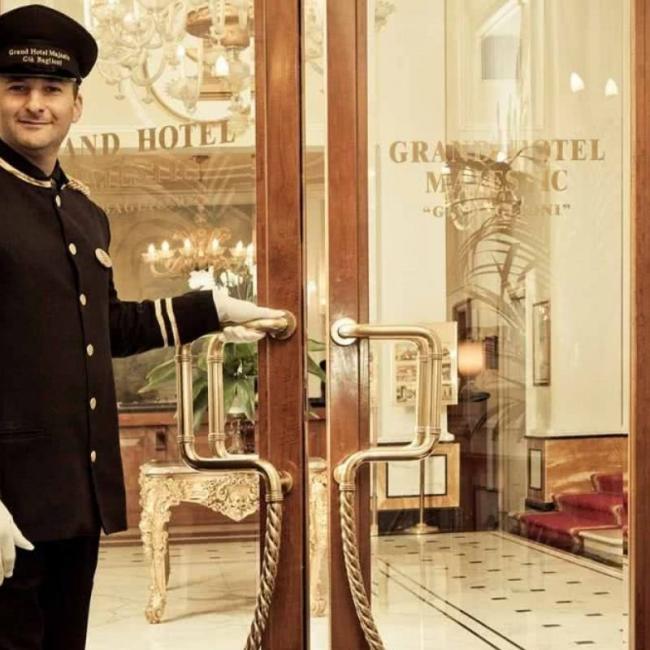
Thinking of a hotel as the expression of a mere commercial activity, albeit in one of the noblest and most strategic branches of t…
DISCOVER MORE
European Culture Capital in the year 2000 and UNESCO City of Music in 2006, Bologna has another claim to fame: the oldest universi…
DISCOVER MORE
Before retracing the extraordinary path of the centuries-old activity of the Grand Hotel Majestic «già Baglioni» in its noble head…
DISCOVER MORE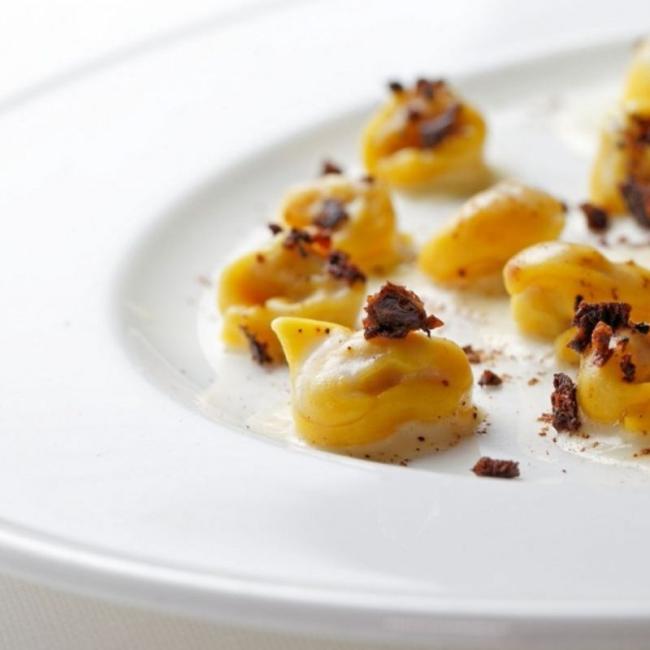
This journey around Bologna and the Emilia region’s culinary delights begins with a buffet breakfast to the tune of music at Già B…
DISCOVER MORE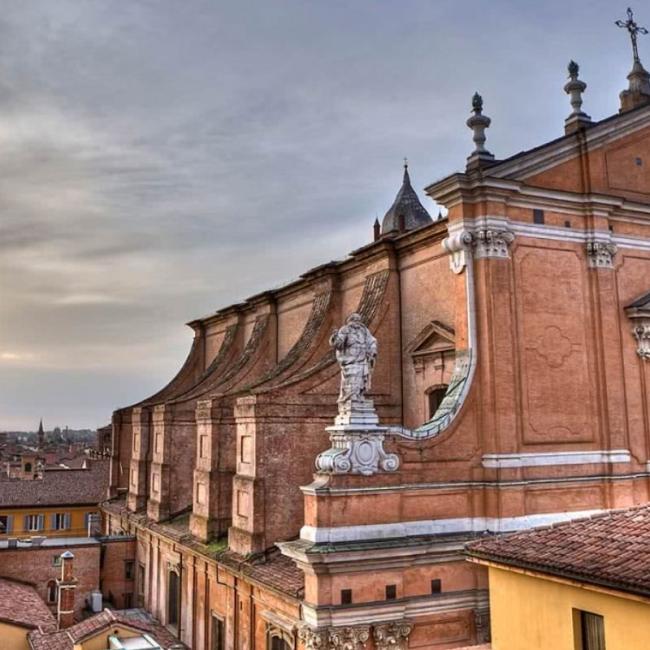
When Guido Baglioni moved to the Umbilicum Urbis, Bologna experienced a period of great fervor and stood out as one of Italy's mos…
DISCOVER MORE
The land of motorcars par excellence offers a great many tours and activities to make your stay in Bologna unforgettable and Già B…
DISCOVER MORE
To trace the history of such a significant stretch of city as the one home to the Hotel Baglioni, we must trace the origins of the…
DISCOVER MORE
No trip to Bologna should miss out on the history and culture packed towns of the Emilia Romagna region, a journey around Italy’s…
DISCOVER MORE
When Roman civilization, exhausted by the passage of time, gave in to the innovations that were advancing and transforming it-that…
DISCOVER MORE
The second itinerary visits the Republic of San Marino and continues to the sea, the famous Romagna Riviera, through the folklore…
DISCOVER MORE
Directly opposite the block that would first become the Archbishop's Seminary and then the Hotel Baglioni, the cathedral was built…
DISCOVER MORE
The city’s most exclusive meeting places is just a few steps away from the centre - Galleria Cavour, luxury shopping centre since…
DISCOVER MORE
In the heart of the Belle Époque, on February 15, 1912, the Hotel Baglioni, now the Grand Hotel Majestic “già Baglioni”, opened it…
DISCOVER MORE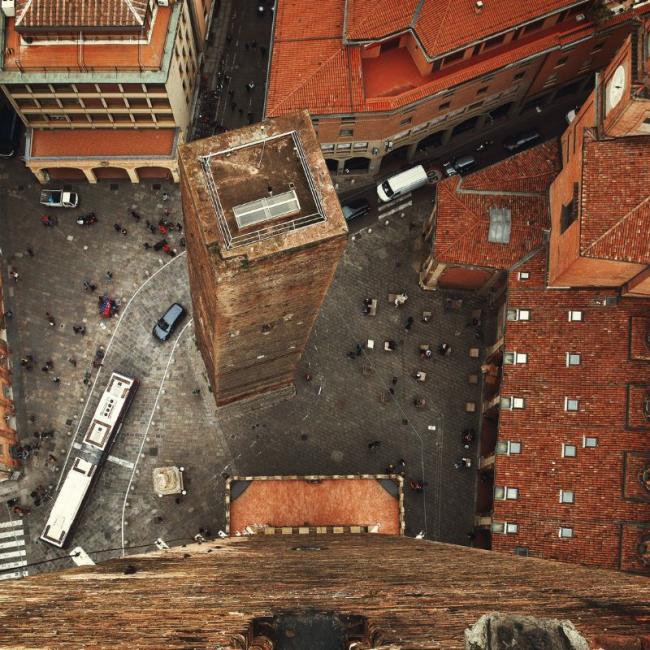
Here are six suggested itineraries around Bologna’s art attractions and much more besides. Experience Emilia with its traditional…
DISCOVER MORE
"Grand Hotel Majestic ‘già Baglioni’ – Bologna. Cent’anni di eccellenze” (Grand Hotel Majestic ‘già Baglioni’ – Bologna. One hundr…
DISCOVER MORE
In the heart of Bologna, the Grand Hotel Majestic “già Baglioni” offers centuries of Italian art, architecture and hospitality. Ev…
DISCOVER MORE